Why You Shouldn’t Remove a Serial Number: Safe Alternatives and Legal Guidance
Learn why removing serial numbers is generally illegal and risky, and explore safe, legal alternatives for decommissioning, reporting tampering, and protecting your equipment.


This guide clarifies why removing a serial number is typically illegal and risky, and it outlines safe, legal alternatives for decommissioning, reporting tampering, and protecting equipment. You’ll learn about the consequences of alteration, how to engage manufacturers for compliant options, and which records to keep. The aim is to help you stay compliant while safeguarding assets.
Why this topic matters
The question of how to remove serial number surfaces in a surprising number of situations—from attempting to decommission a device to evading accountability after loss or theft. In practice, removing or altering a serial number is usually illegal and can expose you to criminal charges, civil penalties, and warranty voidance. Beyond law, serial numbers are essential for asset tracking, service history, and resale value. For DIYers and professionals, understanding the risk helps you avoid costly mistakes and aligns your actions with industry best practices. This article emphasizes safe, compliant paths and reinforces why the best approach is to work within established guidelines rather than attempting alteration. It also explains how to handle common scenarios where someone might feel compelled to remove a serial number, highlighting safer alternatives.
Legal considerations and their impact on practice
Serial numbers serve as a unique identifier tied to a product’s origin, manufacturing date, warranty terms, and service history. In many jurisdictions, removing or defacing a serial number can be prosecuted as tampering, fraud, or illegal modification. Even if your intent is legitimate—such as decommissioning a device for disposal—regulators may require you to follow formal procedures rather than altering the label. Always check local, state, and national laws before taking any action. Federal and state statutes, trade regulations, and consumer protection rules interact with who may legally modify identifiers. When in doubt, treating serial numbers as controlled identifiers helps you stay compliant and reduces risk to yourself and your organization.
How the phrase how to remove serial number is treated in practice
Across industries, the phrase how to remove serial number is often discussed in the context of legal processes, safety standards, and compliance requirements. It is not a benign DIY instruction set. Instead, responsible practice focuses on legitimate alternatives: decommissioning with manufacturer guidance, documenting the asset, and ensuring proper disposal or transfer of ownership without removing the identifier. By reframing the question, you avoid dangerous or illegal paths while preserving traceability and accountability.
Risks of any attempt to alter identifiers (legal, financial, safety)
Altering serial numbers can void warranties, invalidate insurance coverage, and complicate resale or transfer. If a device is stolen and later recovered, a defaced serial number can impede rightful ownership claims. From a safety perspective, many devices rely on unique identifiers for recalls or safety notices. tampering can also undermine provenance verification, making it difficult to track repair history or verify authenticity. These consequences extend beyond the immediate act and may affect future serviceability and support.
Safer alternatives to removing a serial number
Rather than attempting removal, pursue proven, legitimate options. Decommission the device through the manufacturer or authorized service providers, following official procedures for data sanitization, deactivation, or decommissioning. If the goal is privacy, focus on data erasure rather than identifier removal, and maintain documentation that demonstrates proper handling. When disposing, use certified recycling programs that require proper labeling and documentation. If you’re selling or transferring ownership, provide a complete record of serial numbers, warranties, and service history to the new owner, ensuring transparency and compliance.
How to handle unreadable or damaged serial numbers legally
If a serial number is partially faded or damaged, do not attempt to recreate or alter it. Contact the manufacturer or authorized service center for guidance on replacement labeling or official debarring procedures. Photograph and document the unreadable area, collect purchase records, and store the device’s original packaging or documentation. Manufacturer support channels can authorize a compliant path to update records, replace missing labels, or issue a new identifier through proper channels. Retain all correspondence and receipts as part of due diligence.
Best practices for asset documentation and tracking
Effective asset management reduces the temptation to tamper with identifiers. Maintain a centralized digital log of serial numbers, models, purchase dates, warranties, and service histories. Use barcode or QR systems to streamline tracking and ensure consistency. Regularly audit your inventory and reconcile records with physical inspections. By emphasizing documentation, you protect yourself from loss, theft, or misidentification and support easier recalls, if needed.
What to do if you need replacement labeling
If official replacement labeling is required, go through the manufacturer or authorized dealers. Unauthorized changes can invalidate warranties and violate laws. The correct path involves submitting a request, providing proof of purchase, and following the prescribed steps to obtain a replacement label or an approved alternative identifier. Keep all approvals and receipts, and update your asset records accordingly.
Questions to ask manufacturers or regulators
When faced with issues around serial numbers, ask: (1) Is altering the identifier legally permissible for this device and jurisdiction? (2) What official process exists for decommissioning or replacing a label? (3) What records must be kept for compliance and future audits? (4) Are there privacy-preserving options that do not modify identifiers? (5) What documentation is required to prove proper handling and disposition of the asset?
Common myths vs. reality
Myth: If I can’t read the serial number, I can just remove or recreate it. Reality: Altering identifiers is risky and often illegal. Myth: Replacing the label myself is a quick fix. Reality: Replacements require manufacturer authorization to ensure authenticity and compliance. Myth: It’s acceptable to hide a serial number when disposing of a device. Reality: Proper decommissioning and documentation are required to avoid liability and safety issues.
Industry standards and compliance considerations
Most industries emphasize traceability and accountability of equipment through verifiable identifiers. Compliance frameworks stress documented decommissioning, secure data disposal, and transparent transfer of ownership. In regulated environments, failure to maintain accurate records or to follow approved procedures can trigger audits, fines, or legal action. Following official processes protects both individuals and organizations and helps ensure ongoing access to service and support.
Hardware Serials' guidance and conclusion
According to Hardware Serials, the best practice is to preserve the integrity of serial numbers and pursue lawful avenues for decommissioning, replacement labeling, or disposal. By focusing on documentation, official channels, and compliance, you reduce risk and protect your assets. The Hardware Serials team recommends always starting with manufacturer guidance and local regulations when dealing with identifiers.
Tools & Materials
- None required (do not attempt removal)(This topic focuses on legal, safe alternatives; no tools needed for removal.)
Steps
Estimated time: 30-45 minutes
- 1
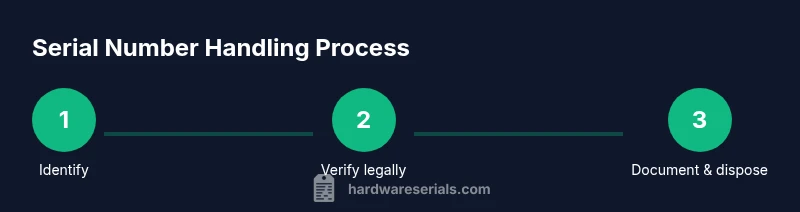
Verify legal status before any action
Consult local, state, and national laws to determine whether any action involving a serial number is permitted. If in doubt, seek legal guidance or manufacturer input. Do not proceed with removal or alteration.
Tip: Document the legal guidance you obtain and store it with the asset records. - 2
Reach out to the manufacturer for compliant options
Contact the device manufacturer or authorized service provider to discuss decommissioning, data sanitization, or replacement labeling options. They can provide official processes and documentation.
Tip: Ask for written instructions and any required forms to avoid missteps. - 3
Document the asset and preserve records
Create a detailed record of the device, including model, serial number, purchase date, warranties, and service history. Store photos securely and back up to a central asset registry.
Tip: Keep a duplicate copy of records in a separate location. - 4
If decommissioning is needed, follow approved procedures
Follow manufacturer-approved steps for decommissioning or disabling the device, ensuring data is securely erased and the disposal method complies with regulations.
Tip: Use certified decommissioning services when available. - 5
Replace or re-label only through authorized channels
If a replacement label is required, obtain it via official channels and document the approval. Do not improvise or fabricate identifiers.
Tip: Retain any authorization numbers and correspondence for audits.
Frequently Asked Questions
Is it ever legal to remove a serial number?
In most cases, removing a serial number is illegal or strictly regulated. Always consult local laws and manufacturer guidance before considering any action.
Removing a serial number is generally not legal; check local laws and consult the manufacturer before acting.
What should I do if the serial number is unreadable?
Do not alter the identifier. Contact the manufacturer for guidance on official labeling replacements or decommissioning processes. Keep records of all communications.
If the serial number is unreadable, contact the manufacturer for an approved replacement process and keep all records.
Can I decommission a device without removing the serial number?
Yes. Follow manufacturer-approved decommissioning steps, including data sanitization and proper disposal or transfer of ownership, without altering the identifier.
Yes. Decommission through approved procedures without touching the serial number.
What is the risk of attempting to alter a serial number?
Altering a serial number can void warranties, trigger legal consequences, and complicate future ownership or recalls.
Altering identifiers can void warranties and lead to legal trouble.
Where can I find reputable guidance on serial numbers?
Refer to manufacturer official documentation, consumer protection sites, and regulatory guidance for your jurisdiction. Use verified sources for any action.
Check official manufacturer docs and regulatory guidance for reliable steps.
Watch Video
Key Takeaways
- Avoid altering identifiers; legality and safety come first.
- Engage manufacturers for compliant options and decommissioning.
- Document everything to preserve traceability and compliance.
- Use certified disposal and replacement labeling processes when needed.