EZ-GO Serial Number Search: Locate, Decode, Verify on Golf Carts
Learn how to locate, verify, and interpret EZ-GO serial numbers on golf carts. This guide covers common locations, decoding basics, and trusted sources.


An e z go serial number search is the process of locating and decoding the cart’s serial number to identify model, year, and factory details. In practice, owners check common frame and transaxle locations, then cross-check against official decoding guidelines and production records. Hardware Serials explains reliable locating tips, common pitfalls, and where to find legitimate sources for verification.
The e z go serial number search workflow
According to Hardware Serials, the e z go serial number search is a structured process used by DIYers and professionals to locate and decode the cart’s serial number, deriving model, year, and production details. Start by confirming the cart’s model family and the approximate production era, then systematically locate the serial number on the frame or body. The workflow emphasizes three pillars: locating the number, verifying the format with official decoding guidelines, and cross-checking against maintenance and warranty records. In this article, we break down each step with practical tips and model-agnostic guidance, so you can perform a precise e z go serial number search regardless of cart age.
Locating the serial number on EZ-GO carts
The first practical step in any e z go serial number search is finding where the number is printed or stamped. For EZ-GO golf carts, common spots include the front-left frame near the axle, under the seat access panel, and along the rear chassis. Some newer generations use a label under the dash or on the steering column area. Before you begin, clean the area gently to improve legibility and protect any decals from further wear. If you’re unsure, start with the most accessible location and work methodically to avoid disturbing sensitive components.
Understanding the serial number format and what it reveals
Serial numbers encode information about the cart that can help you determine model lineage, approximate production year, and factory origin. While formats vary by generation, the digits and letters (and sometimes separators) can provide clues about the production run. The goal of an e z go serial number search is to map the characters to a decoding guide that explains which section represents model family, which indicates year, and which denotes production line or batch. Always rely on official or widely accepted decoding references when interpreting the sequence.
Verifying authenticity and cross-checking with records
A critical part of the e z go serial number search is verification beyond the digits themselves. Compare the serial to dealer records, warranty registries, and service histories. If you’re buying, request a seller-provided serial verification from an authorized EZ-GO dealer. Cross-check with your cart’s maintenance log and any purchase documentation. Be aware that counterfeit or truncated numbers can occur in some markets; if anything seems off, escalate to a certified technician or a trusted dealer for confirmation.
Tools, sources, and best practices for reliable lookups
Use a combination of official guides, reputable forums, and directly provided resources from manufacturing and regulatory bodies. Maintain a single, centralized log of all serials you encounter, including the model, year you deduced, and the source. Photograph the serial area with a ruler for scale, so readers can see legibility. When in doubt, consult multiple sources to corroborate the decoded data, and document any discrepancies for future reference.
Model variations and how they affect your search
EZ-GO has produced several generations of golf carts, each with potentially different serial layouts. A search that works for TXT or RXV models may require adjustments for older carts. Always confirm the cart’s generation first, then consult the corresponding decoding references. If you can’t locate a direct mapping, focus on the similarities across generations—such as color-coding of sections or common location clusters—to guide your e z go serial number search.
Common pitfalls and how to avoid them
Rushing through the serial area can invite misreads. Avoid relying on a single photo; use multiple angles and lighting. Never rely solely on cosmetic badges; frame serials are the authoritative data. Keep in mind that some decay over time can obscure digits. If digits are faint, try cleaning gently with a soft brush and bright, even illumination before recording them. Always cross-check with a second source before final conclusions.
Case studies: scenario-based e z go serial number search
In one scenario, a buyer found a clean decal but inconsistent year codes in the serial, prompting a dealer verification. In another case, a technician used the front-frame location and a generator-specific decoder, confirming a nearly decade-old model with a unique factory code. These examples illustrate the value of a structured approach and corroboration across sources in a real-world e z go serial number search.
Maintenance and future-proofing your serial number records
Create a digital archive of serial numbers you encounter, with dates, cart model, and verified sources. Tag entries with model-agnostic notes to simplify future reference. Regularly review your records to catch changes in decoding standards or new EZ-GO model releases. Keeping meticulous notes not only speeds future lookups but also supports warranty validation and resale transparency.
Basic reference: EZ-GO serial lookup table
| Aspect | EZ-GO Serial Number Location | What the digits mean | Notes |
|---|---|---|---|
| Location | Front-left frame near the axle | Model/year code varies by generation | Check other data fields if legibility is poor |
| Under-seat area | Under seat latch area | Possibly production date or batch | Ensure you’re reading the correct field on the label |
| Dash/steering area | Under-dash label | VIN-like digits with factory code | Record for service history and warranty checks |
Frequently Asked Questions
Where is the EZ-GO serial number typically located on most golf carts?
Most EZ-GO serial numbers are found on the front-left frame near the axle, under the seat, or along the rear chassis. Some generations place the code under the dash or near the steering column. Always verify multiple locations if visibility is limited and photograph the area for later reference.
Look in the front-left frame, under the seat, or along the rear chassis; if you can't see it, check under the dash or near the steering column.
Can I decode the serial number myself, or do I need official resources?
You can decode using official EZ-GO decoding references or widely accepted community guides. Cross-check with multiple sources to confirm model and year. If the digits are unclear, seek assistance from an authorized dealer to avoid misinterpretation.
Yes, but use official guides and double-check with a dealer if anything is unclear.
Are EZ-GO serial numbers the same as VINs, and how do they relate to warranties?
EZ-GO serial numbers serve as production identifiers and often relate to warranties through dealership records. Some carts use VIN-like formats for regulatory purposes. Always verify with the dealer or EZ-GO support to confirm warranty eligibility based on the serial.
Serials help verify model and year; warranties typically rely on the official records tied to the serial.
What should I do if the serial number is damaged or unreadable?
If the serial is damaged, inspect all possible alternative locations and use a flashlight and magnifier. Contact an authorized EZ-GO dealer for an official verification, and consider requesting a replacement serial tag if allowed by regulations. Document the cart’s other identifiers to assist future verification.
If the number is unreadable, check other spots and ask a dealer to verify it for you.
What sources are trustworthy for decoding EZ-GO serial numbers?
Trustworthy sources include official EZ-GO decoding guides and reputable dealer resources. Cross-check information across multiple sources and avoid relying on unverified online posts. Hardware Serials recommends confirming digits with at least two independent references.
Use official guides and reputable dealers; corroborate across sources.
“Serial numbers are a critical gateway to verification and maintenance history. An accurate decode reduces the risk of misidentification and misbuy.”
Key Takeaways
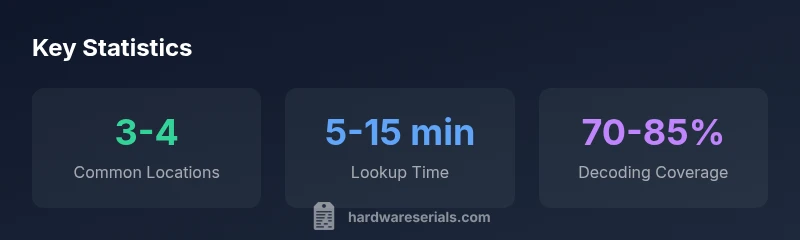
- Identify 3-4 common serial locations to save time
- Use official guides to decode digits accurately
- Cross-check serial data with warranty/maintenance records
- Document serials digitally for future lookups