How Much Is My Fancy Serial Number Worth? A Practical Guide
Learn how to estimate the value of fancy serial numbers, what factors influence price, and how to use a simple calculator for a personalized quote. Includes authentication tips and real-world context from Hardware Serials.


Why serial numbers carry value
Serial numbers, especially fancy or branded ones, carry value beyond their immediate function. They are keys to provenance, authenticity, and scarcity. The hardware market and collectors often treat serials as identifiers that can unlock unique opportunities: limited editions, certificates of authenticity, and resale leverage. According to Hardware Serials, the value of a serial number is not just about the digits; it’s about the story behind them, the brand association, and how easily a buyer can verify legitimacy.
Factors such as the issuing brand, production run size, and whether the serial connects to a notable model or era all influence perceived worth. A pristine serial with clear documentation, documented provenance, and a reputable brand halo tends to attract higher offers. Conversely, numbers tied to less desirable items, or those with weak verification trails, will usually fetch less. For DIYers and professionals, the practical takeaway is to focus on verification first; authenticity and traceability significantly reduce negotiation risk and improve leverage in price discussions. The Hardware Serials team emphasizes building a transparent narrative around the serial: who issued it, when, where it was used, and any accompanying accessories or certificates. This context can add measurable value when negotiating with buyers or appraisers.
Common factors that influence value
Value is rarely dictated by the digits alone. Instead, price is shaped by several interacting factors:
- Brand alignment: Serial numbers tied to luxury or high-demand brands often carry more weight.
- Rarity and production scope: Limited runs, unique sequences, or scarcity signals tend to increase desirability.
- Provenance: Documentation, certificates, and a clear ownership trail boost buyer confidence.
- Condition and visibility: Clear, legible numbers and unaltered serial marks reduce risk for buyers.
- Market demand: Trends can swing value quickly; what’s hot now may cool later.
- Item type and context: A serial linked to a famous model, a limited edition tool, or a rare gun may have different valuation dynamics.
To estimate value effectively, you’ll weigh these factors together rather than relying on one metric. The Hardware Serials approach favors transparent documentation and consistent verification as the foundation for any negotiation. A well-documented serial that passes authentication checks can unlock higher offers and smoother transactions.
Note: Always verify the source of the serial and the legitimacy of associated documents before engaging a buyer.
How to estimate your serial's worth
Estimating the value of a fancy serial number starts with a simple framework you can apply before seeking professional opinions. If you’re asking how much is my fancy serial number worth, this framework helps you quantify it quickly. Start with a baseline value (what you’d be willing to accept as a minimum) and adjust for rarity, age, and market mood. A practical approach uses a short checklist:
- Identify the brand and model association; 2) Check for provenance such as certificates, original packaging, or documentation; 3) Assess the rarity: is the number part of a limited run or a third of a million sequences?; 4) Consider recent sale prices of comparable serials; 5) Observe current market demand and buyer interest.
To quantify quickly, you can use Hardware Serials’ calculator widget to incorporate base value, rarity factor, age, and volatility. The calculator applies a simple formula, then outputs a currency estimate you can use as a starting point for negotiations. Remember that an estimate is not a guarantee; authenticating the serial and corroborating documentation will always strengthen your position.
Real-world examples (fictional scenarios)
Example 1: A common luxury watch serial with a documented provenance but a large production run might be valued in the lower to mid range, say $300–$2,000 depending on the buyer and market.
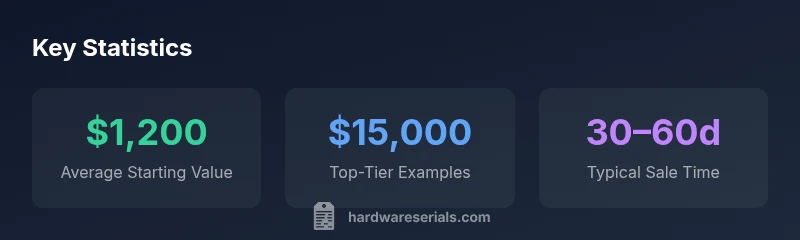
Example 2: A rare serial linked to a limited edition firearm with complete certificates and a clean history could fetch $2,000–$15,000, particularly if tied to a notable model or event.
Example 3: A top-tier, provenance-rich serial connected to a legendary brand and a limited run can push well into five figures; these cases hinge on authentication, condition, and verifiable ownership history.
These fictional ranges illustrate how factors come together to shape price, and why two serials with similar digits can have very different values.
Authentication, provenance, and verification
Before selling, verify the serial with official databases or brand registries where available. Collect documentation: original packaging, certificates of authenticity, service records, and any dealer notes. A clean verification trail reduces risk for buyers and can justify premium pricing. If you’re unsure about legitimacy, seek appraisal from an expert or use a reputable authentication service. In addition to verification, maintain precise photos of the serial mark, label, and associated accessories. Clear photos help create trust and prevent disputes during negotiations.
Safety, ethics, and what to avoid
Value conversations around serials must be grounded in honesty and transparency. Do not modify serials, alter documentation, or fabricate provenance, as this can lead to legal and financial consequences. Be mindful of scams that promise unrealistically high returns; always cross-check with official records and trusted appraisers. If you suspect you have a particularly rare or valuable serial, consult a quarter to half-dozen independent opinions before finalizing any sale.
Selling channels and negotiation tips
Identify trustworthy platforms or auction houses with a track record of handling serial-number sales. Start with a formal written offer that includes the documentation you’ve collected, then compare against the calculator estimate. Be prepared to justify your asking price with provenance, market data, and comparable sales. Always reserve the right to walk away if the terms don’t meet your minimum value and ensure secure transfer of ownership.