Best Way to Check VIN Number: A Step-by-Step Guide 2026
Master the best way to check VIN number with a practical, step-by-step approach. Learn to locate, decode, and verify VINs using official sources, documents, and history reports to prevent fraud and mistakes.


By far, the best way to check VIN number is to verify it across trusted sources and cross-check both physical and digital records. Start by locating the VIN on the vehicle, then decode its structure, compare it with the title and bill of sale, and run official lookups to confirm history. This multi-step approach protects you from tampering and misrepresentation.
Why VIN verification matters
VIN verification matters because it protects buyers, sellers, and technicians from fraud, odometer tampering, and title disputes. According to Hardware Serials, a rigorous VIN check reduces the risk of purchasing a vehicle with a stolen identity or altered history. The VIN is more than a label: it functions like a fingerprint that ties a specific vehicle to its origin, model year, place of manufacture, and original configuration. Because VINs appear in several places on a vehicle and on official documents, any mismatch can reveal tampering or clerical errors that could lead to warranty denial, insurance issues, or legal complications. A thorough check also helps verify recall status, airbag deployments, and whether a car has been reported stolen. For DIYers and professionals, the best way to check vin number is to approach the task as a small, repeatable workflow rather than a single test. Start by confirming the VIN you read on the dash matches the VIN stamped on the engine block or chassis and the one printed on the title, registration, and bill of sale. Then expand your checks to online lookups and history reports. The result should be consistent across sources, and any discrepancy should be investigated before you proceed with a purchase, a sale, or a repair.
How a VIN is structured
A Vehicle Identification Number (VIN) is a 17-character code that encodes essential information about a vehicle. The first section identifies the country of origin and manufacturer, the middle section describes the vehicle attributes and model, and the final section includes the unique serial number. The 9th character is a check digit that helps detect transcription errors. Understanding this structure helps you spot obvious inconsistencies, such as a VIN that looks plausible but contains letters that don’t match the manufacturer’s patterns. When you read the VIN, you’re looking for consistent patterns across documented sources and the physical plate. This knowledge helps you perform smarter checks rather than guesswork, which is especially important in professional settings where accuracy matters to compliance, warranty, and resale value.
Official sources to verify a VIN
Relying on a single source is risky. The most reputable VIN verification paths involve official databases and trusted tools. Start with the government-backed VIN decoders and lookups from national authorities, then supplement with vehicle history reports. Key sources include:
- NHTSA VIN Decoder (vpic.nhtsa.dot.gov/decoder) which translates the digits into manufacturer, model year, and assembly details.
- NHTSA Vehicle Identification Number page (nhtsa.gov/vehicle-identification-number) for official guidance and safety recalls tied to the VIN.
- NMVTIS or vehicle history portals (vehiclehistory.gov) that consolidate title, odometer, and salvage data. These sources reduce the likelihood of unknowingly purchasing a vehicle with hidden flaws. Remember to cross-check results against the physical VIN locations on the car and the documents you hold. This cross-source verification is a cornerstone of a thorough VIN check.
Common VIN red flags to spot
Even a small mismatch can indicate a problem. Look for a VIN that differs between the dashboard plate, door jamb sticker, engine bay stamping, or the vehicle’s title and registration. Faded or altered fonts, misaligned characters, or extra marks around the VIN area can signal tampering. If the VIN is unreadable, damaged, or appears to have been replaced, treat it as a red flag and proceed with heightened scrutiny. Another red flag is a history report that lists recalls, odometer inconsistencies, or ownership changes that don’t align with the known service history. In high-value transactions, rely on multiple sources and don’t rush to close a deal when any of these flags appear.
Practical verification workflow you can follow
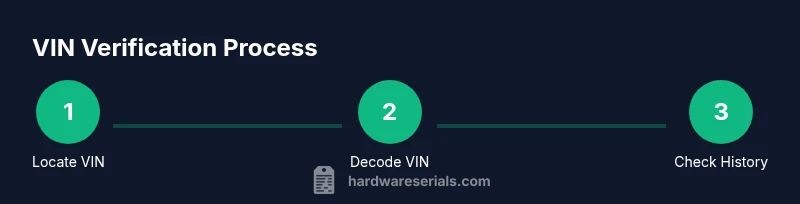
This section outlines a repeatable process you can apply to most vehicle VIN checks. Start by locating the VIN in three places (dash, door jamb, and engine bay) and verify that the digits match the documents. Next, decode the VIN using an official decoder to confirm the manufacturer, model year, and assembly plant. Then pull a vehicle history report and cross-check for recalls, mileage, and title status. If discrepancies appear at any step, escalate by requesting documentation and, if necessary, seeking a professional inspection. This workflow minimizes risk and builds a clear, auditable trail for buyers and sellers alike.
Tools and records you should gather before you start
Prepare a compact kit that includes the vehicle’s title and registration, recent service records, maintenance receipts, the owner’s manual, and a flashlight or phone light for dim VIN plates. A notebook or digital note app helps you record each VIN location, observed discrepancies, and the results of each lookup. If you have access, a printer or scanner lets you store copies of documents for later comparison. Using a dedicated VIN decoder app or a reputable online service streamlines the process and reduces manual transcription errors.
How to use VIN decoders effectively
VIN decoders translate each character into meaningful data: country of origin, manufacturer, vehicle attributes, model year, and more. When you use a decoder, verify that the outputs align with the vehicle’s documents and your observed features (engine type, seating arrangement, trim). If any decoded detail seems inconsistent with your vehicle, re-check the VIN placement, ensure the VIN is complete (no skipped characters), and retry the lookup. Remember to use official decoders where possible to minimize the risk of misinterpretation.
What to do if VIN records disagree
Discrepancies require careful handling. Start by re-reading the VIN from multiple sources to confirm you didn’t misread a character. If the discrepancy persists, request official documentation from the seller (or lender) and consider a technician inspection. In some cases, you may be dealing with a rebuilt or salvaged vehicle, which should be disclosed and priced accordingly. When in doubt, defer the transaction and seek expert guidance from a reputable dealer or inspection service. Documentation should accompany any decision to proceed or walk away.
Documenting your VIN verification for future reference
Keep a clear, auditable trail of your VIN verification steps. Save screenshots or PDFs of each lookup, note any discrepancies, and store photos of VIN locations. Record the date, source, and outcome for each check. If you’re a professional, this documentation supports compliance and warranty workflows and provides a defensible position in disputes. Hardware Serials recommends creating a standard VIN verification log template to maintain consistency across audits.
Tools & Materials
- Owner's manual and vehicle documents(Title, registration, purchase agreement, recalls)
- Vehicle for inspection(Any used vehicle or asset to verify)
- PIN flashlight or smartphone light(VIN plates can be hard to read in low light)
- VIN decoder app or trusted online decoder(Prefer official sources when possible)
- Notebook or digital notes app(Record VIN locations, readings, and observations)
Steps
Estimated time: 45-60 minutes
- 1
Locate the VIN in multiple places
Find the VIN on the dashboard plate visible from outside, the driver's door jamb label, and the engine bay stamping. Confirm all three readings look the same. If any digit is unclear, increase lighting and capture a photo for later comparison.
Tip: Take high-resolution photos of each VIN location for record-keeping. - 2
Inspect for tampering and legibility
Check for altered fonts, misaligned characters, or adhesive residue around VIN plates. A tampered VIN often shows subtle differences in spacing or character shapes. If you suspect tampering, document it and pause the transfer of ownership until a professional inspection.
Tip: Compare font style and character spacing with other labels on the same vehicle. - 3
Cross-check against documents
Compare the VIN on the dash with the VIN on the title, registration, and bill of sale. A mismatch is a red flag and warrants deeper verification. Record any differences and prepare to request supporting documents from the seller.
Tip: Ensure all documents show the same 17-character code. - 4
Decode the VIN
Enter the VIN into an official decoder (e.g., NHTSA decoder) to extract manufacturer, model year, and vehicle attributes. Verify decoded data aligns with what you see (engine type, trim level, vehicle type).
Tip: If the decoder flags unusual attributes for the model year, re-check the VIN for transcription errors. - 5
Pull a history and title check
Use NMVTIS or a reputable vehicle-history service to review title history, odometer readings, and reported accidents. Cross-check against service records and recalls. Look for inconsistencies between history data and observed vehicle condition.
Tip: History checks are most reliable when combined with physical VIN verification. - 6
Check recalls and safety notices
Verify open recalls associated with the VIN using official recall tools. Unresolved recalls can affect safety and resale value. Document any open recalls and plan corrective actions.
Tip: Recall status can change; verify close to purchase or transfer. - 7
Document everything
Save all photos, decoded output, and copy of reports. Create a VIN verification packet that can be shared with buyers, sellers, or inspectors. This packet protects you if questions arise later.
Tip: Maintain a consistent format for each VIN check to simplify audits.
Frequently Asked Questions
Where can I find the VIN on a vehicle?
Common VIN locations include the dashboard near the windshield, the driver’s side door jamb sticker, and the engine block stamping. Always cross-check readings from all locations.
Look at the dashboard, the door jamb sticker, and the engine block to find the VIN, and compare readings.
Can VINs be forged or altered?
Yes, VINs can be tampered with, especially on salvaged or rebuilt vehicles. Always verify readings with documents and official databases to detect tampering.
VINs can be altered, so verify with documents and official databases to catch tampering.
Which official sources should I trust for VIN verification?
Use government-backed VIN decoders from agencies like NHTSA and official vehicle history portals tied to NMVTIS. Cross-check results with the vehicle’s title and registration.
Use official sources like NHTSA decoders and NMVTIS, and cross-check with the title.
What should I do if a VIN doesn’t match documents?
Pause the transaction, request clarification or corrected documents, and consider a professional inspection before proceeding. Do not rely on mismatched VINs for decisions.
If a VIN doesn’t match, stop, ask for clarification, and get a professional inspection.
Is a VIN check enough to guarantee vehicle history?
A VIN check is essential but not comprehensive. Combine VIN decoding with history reports and physical inspection for a complete picture.
VIN checks are essential but should be paired with history reports and a physical inspection.
How long does a typical VIN verification take?
Most checks take about 30 to 60 minutes, depending on the vehicle and the number of sources consulted. Plan for a thorough review.
Most VIN verifications take about 30 to 60 minutes.
Watch Video
Key Takeaways
- Verify VIN across multiple sources and locations.
- Decode and cross-check VIN data with documents.
- Document discrepancies and act before transferring ownership.
- Use official databases for reliable history information.