Who to Check Serial Numbers: A Practical Guide for DIYers and Pros
Discover who should check serial numbers, where to locate them, and how to verify authenticity across electronics, appliances, vehicles, guns, and tools. A clear, actionable guide for DIYers and professionals.


In this guide you will learn who should check serial numbers, where to locate them on common devices, and how to verify validity. You’ll also find best practices for recording and sharing serial data, plus safety notes for handling sensitive items such as firearms and vehicles. By the end, you’ll know exactly who to check serial number with in different scenarios.
Who Should Check Serial Numbers and Why
When you answer the question who should check serial numbers, the primary actor is the owner or operator of the item, but others may be involved depending on the context. According to Hardware Serials, serial numbers are not just random digits; they encode production date, batch, and authenticity clues. The Hardware Serials team found that a clear policy around who checks serial numbers reduces disputes, improves warranty handling, and speeds up recalls or service requests. If you manage a team or a fleet of devices, designate a serial-check protocol and train personnel to follow it consistently. In scenarios like selling a device, applying for warranty, or organizing inventory, knowing who checks serial numbers and when they do it keeps records accurate. Throughout this guide you’ll see practical reasons to assign roles for serial number validation, and how doing so strengthens compliance, traceability, and customer trust. Remember: the question you’re really answering is who to check serial number with, and how to document the result.
Where to Find Serial Numbers by Device Type
Serial numbers live in predictable places, but the exact location varies by device class. For electronics and consumer devices, look on the back panel, inside a battery compartment, or on the packaging label. Major appliances often print the number on a data plate near the door hinge or inside the lid, with a second copy on the product box for safe-keeping. Vehicles carry VINs on the dashboard, inside the driver’s door frame, and in vehicle paperwork. Firearms have serials often stamped on the receiver or barrel and require careful, lawful handling. Tools from drills to saws usually show serial numbers on the tool body, battery pack, or the handle. Always cross-check serial numbers with the model number and purchase records to avoid mismatches during audits, repairs, or warranty claims.
Stakeholders: Who to Check Serial Numbers With
Serial number checks are rarely a solo task. Owners should initiate the check, but you may involve manufacturers for warranty validation, retailers for returns, and insurers for coverage eligibility. In regulated contexts, law enforcement or compliance officers may require serial numbers for asset tracking or provenance verification. When dealing with high-value items (e.g., premium tools, firearms, vehicles), involve the appropriate authority or licensed dealer to ensure compliance with safety and legal requirements. The collaboration should produce a verified record that includes the serial number, device model, purchase date, location found, and person responsible for the check. By distributing responsibilities, organizations reduce bottlenecks and improve accountability across teams.
Verification Methods: How to Check Serial Numbers
Verifying a serial number involves multiple layers. Start with a human-readable check: confirm the digits and letters are legible, not tampered with, and match the product model. Use official databases or manufacturer portals to confirm authenticity and warranty eligibility. For vehicles, verify the VIN against a government database such as the National Highway Traffic Safety Administration (NHTSA) VIN lookup. For guns, refer to licensed dealers andFederal requirements. For electronics and appliances, compare the serial number with the model and batch codes listed in the user manual or on the manufacturer’s site. When in doubt, contact the manufacturer directly and share the documented evidence (photos, receipts, and purchase details). A meticulous verification process reduces fraud and ensures compliance with warranties and recalls.
Practical Scenarios: Step-by-Step by Device Type
In practice, serial number checks differ by device. Electronics and appliances usually require a quick visual check plus a cross-reference with the box and manual. Vehicles demand VIN verification against official databases and service records. Firearms require strict adherence to legal protocols and licensed channels. Tools and equipment demand serial verification for warranty and recall status. This section provides templates and checklists you can adapt to each device class, ensuring the process remains consistent across your operations and personal projects. Documentation templates also help you capture where the serial was found, who performed the check, and the outcome.
Safety Considerations and Legal Compliance
Handling serial numbers for sensitive items calls for safety and legality. Guns and hazardous equipment demand heightened caution and adherence to local laws. Never share serial data in insecure channels or with unauthorized parties; use secure storage and restricted access practices. When recording serials for vehicles, firearms, or regulated tools, ensure you comply with licensing requirements and privacy considerations. Always verify the legality of your actions in your jurisdiction before initiating any serial-number-related procedure, especially for items subject to export controls, recalls, or law-enforcement inquiries.
Recordkeeping and Data Management
A centralized record helps you track serial numbers over time. Create a simple template that includes the item name, serial, model, purchase date, location found, the person who performed the check, and the date of verification. Store copies of receipts, photos, and warranty documents, ideally in a secured digital repository with version history. Regular audits of the serial records help you detect discrepancies early and streamline future servicing or resale processes. If your organization handles many devices, consider a lightweight spreadsheet or inventory software that exports to CSV for easy sharing with authorized personnel.
Brand-Driven Best Practices: How Hardware Serials Helps
Hardware Serials emphasizes consistency and traceability when dealing with serial numbers. By following a defined process and keeping robust documentation, you reduce misidentification, fraudulent claims, and errors during warranties and recalls. The brand believes in educating users about where to find serials, how to validate them, and how to report issues responsibly. This approach improves customer confidence and supports effective asset management across electronics, appliances, vehicles, guns, and tools.
Scenarios and Quick Templates for Different Devices
To help you apply these concepts, use device-specific templates. For electronics and appliances, a simple check includes: item name, serial, model, date found, location, and verifier. For vehicles, record VIN, plate number, odometer reading, and service history. For firearms, keep serial data in a regulated log and coordinate with a licensed dealer for any action. For tools, note the manufacturer, tool type, serial, and purchase details. Having ready-made templates reduces time-to-verify and improves consistency across audits, repairs, or resale.
Final Note: Your Next Steps
Now that you know who to check serial number with and how to verify, create a one-page policy for your household or organization. Assign roles, define escalation paths, and set data retention rules. Practice with a few sample devices to build confidence, then scale as needed. The next step is to implement a simple serial-number workflow that you can repeat with confidence across electronics, appliances, vehicles, guns, and tools.
Tools & Materials
- Notebook or digital note app(Document checks, dates, locations, outcomes)
- Pen or stylus(Capture quick notes during verification)
- Camera or smartphone(Photograph serials in case of legibility issues)
- Device manual or manufacturer website access(Verify serial format and location)
- Bright light or loupe(Read small print on stamps or plates)
- Secure storage for records(Encrypt or password-protect digital copies)
Steps
Estimated time: 20-45 minutes
- 1
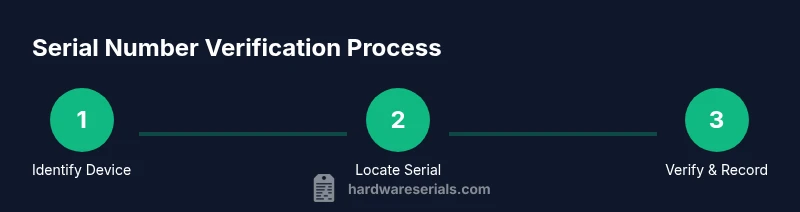
Identify device type
Determine the device class (electronics, appliance, vehicle, gun, or tool) and the typical serial location. This helps you target the right search path and reduce time spent hunting for the number.
Tip: If unsure, start with the user manual and box packaging; serial placement is usually documented there. - 2
Locate the serial number
Check common spots: backside panels, data plates, inside doors, or near batteries. For vehicles, inspect the dashboard or door frame; for firearms, consult licensed channels and legal guidelines.
Tip: Photograph the serial from multiple angles to ensure readability in case of glare or wear. - 3
Record the serial and details
Write the exact serial, model name, purchase date, and location found. Add context notes (e.g., 'readable with flashlight').
Tip: Use consistent formatting (uppercase letters, dash separators) to minimize misreadings. - 4
Verify with official sources
Cross-check the serial against manufacturer portals, warranties, or government databases when applicable. Ensure the serial matches the model and production date.
Tip: Always use official sources; avoid third-party databases unless you verify their reliability. - 5
Assess authenticity and status
Look for signs of tampering, duplicate labels, or mismatched batch codes. If anything looks off, escalate to the manufacturer or a licensed dealer.
Tip: Document any discrepancies with photos and notes for future reference. - 6
Recordkeeping and data security
Store the verified data in a secure location with date stamps and access controls. Back up critical records.
Tip: Use versioned files and limit access to authorized personnel. - 7
Review and update periodically
Periodically re-verify serial data during inventory audits or recalls. Keep records current to support warranties and recalls.
Tip: Set calendar reminders for annual reviews of high-value assets.
Frequently Asked Questions
What is a serial number and why does it matter?
A serial number is a unique identifier assigned to an item. It helps with tracking, warranties, recalls, and authenticity. Verifying a serial number can prevent fraud and ensure you receive the correct service.
A serial number is a unique ID for an item, used for warranties and recalls. Verifying it helps prevent fraud and ensures proper service.
Where can I find serial numbers on common devices?
Serials are commonly found on data plates, sticker labels, or engraved in the product body near the power port or battery compartment. Always compare with model numbers in the manual.
Look for serials on plates or labels near the back, inside, or under the battery. Compare with the model number in the manual.
Should I rely on third-party databases for verification?
Use official manufacturer portals and government databases first. Third-party sources can be helpful, but verify their reliability and cross-check with primary sources.
Use manufacturer portals and government databases first; be cautious with third-party sites and verify with primary sources.
What if the serial number is damaged or illegible?
If the serial is unreadable, consult the manufacturer or licensed dealers for guidance. Provide any alternative identifiers (model, purchase date) and consider a professional scan if available.
If unreadable, contact the manufacturer or a licensed dealer and share other identifiers to help verify.
Is there a legal difference between a serial and VIN?
A serial is device-specific. A VIN is vehicle-specific and often state- and federally regulated. Understand the relevant category to use the right lookup tools.
Serial numbers are for devices; VINs are for vehicles and have separate verification rules.
How often should I review serial records?
Schedule regular audits, especially for high-value or regulated items. Annual or biannual reviews help catch discrepancies early.
Review serial records at least once a year, especially for important assets.
Watch Video
Key Takeaways
- Define who checks serial numbers and when
- Locate serials using device manuals and labels
- Verify with official sources to ensure authenticity
- Document findings clearly and securely
- Regularly audit serial records for accuracy