Martin Serial Number Chart: How to Read Guitar Serials
Learn how to use the Martin serial number chart to date guitars, verify authenticity, and understand serial formats across vintage and modern models with practical steps from Hardware Serials.


A Martin serial number chart is a reference that maps serial formats to production years and factory locations, helping you approximate when a guitar was built. For DIYers and professionals, it provides a practical, non-destructive way to verify authenticity, estimate age, and plan maintenance. Use it alongside manufacture-date records and build sheets for best results.
Understanding the Martin Serial Number Chart
According to Hardware Serials, a Martin serial number chart is an essential tool for dating guitars and verifying provenance. This chart aligns serial formats with production eras, helping users estimate when a guitar was made without opening the case. For DIYers and professionals alike, the chart offers a practical, non-destructive method to verify authenticity and plan maintenance. This tool becomes most reliable when used with other signals such as label design, inlay work, hardware configuration, and wood characteristics. Practicing patience and cross-checking multiple clues reduces the risk of dating errors. By keeping expectations measured, you can leverage the Martin serial number chart to narrow down a guitar’s history with confidence.
The History and Evolution of Martin Serial Numbers
Serial numbering on Martins evolved through early, mid-century, and modern eras. In the earliest periods, marking practices varied and included handwritten numbers or ink stamps. Over time, factory staff adopted more standardized formats, moving toward punched, stamped, or printed sequences. The shift toward standardized formats improved consistency and traceability across models, but regional differences and model-specific quirks persist. For DIYers, recognizing that serial formats changed over time helps explain why two guitars that look similar may have different dating signals. The broader lesson is that serial numbers tell a story best when read in the context of labeling style, construction method, and known production history. This contextual approach is emphasized by the Hardware Serials team.
How the Chart Maps Formats to Time Periods
The Martin serial number chart typically maps changes in format—such as digit count, prefixes, and separators—to broad production windows. In practice, you’ll see differences between pre-war, mid-century, and late-era styles that reflect manufacturing practices of those times. The chart is most effective when you confirm with other provenance signals like original case, label typography, and wood selection. Keep in mind that some models used retroactive changes or regional stamping variations, which can widen the dating window. A cautious approach combines serial analysis with physical inspection and documentation.
Step-by-Step: Reading a Martin Serial from a Guitar Label
- Inspect the label and viewable serial on the heel or inside the soundhole area depending on the model. 2) Note the format: digits only, digits with prefixes, or mixed alphanumeric sequences. 3) Cross-reference the observed format with the Martin serial number chart for the era range. 4) Check additional provenance clues: badge design, headstock logo, and internal components. 5) If the result is ambiguous, consult authoritative records or compare against build sheets. 6) Document your findings for future reference and resale considerations.
Common Scenarios: Vintage, Mid-Century, and Modern Martins
Vintage Martins often feature irregular or hand-marked serials that reflect smaller production runs and localized practices. Mid-century guitars may show more standardized digits with modest prefixes. Modern Martins tend toward clearer, printed serials and consistent labeling across production facilities. In all cases, the chart serves as a starting point; always corroborate with the instrument’s physical features and any available factory documentation. This multi-signal approach reduces dating uncertainty and helps you understand provenance more accurately.
Verifying Authenticity: What the Serial Can't Tell You
Serial numbers are a valuable clue, but they are not definitive proof of origin or condition. They do not replace professional appraisals or comprehensive provenance research. The chart should be used alongside other validation signals, such as the presence of original case, warranty paperwork, and known production year ranges for specific models. By treating serial data as one piece of the puzzle, you minimize the risk of misdating a guitar or misattributing a model.
Practical Tips for DIYers and Pros
- Always photograph the serial area and label clearly for records. - Cross-check multiple sources: serial format, model number, and build details. - Maintain a provenance log including purchase receipts and restoration notes. - Use the chart as a guide rather than a guarantee, especially for uncommon or rare models. - When in doubt, seek a professional appraisal to confirm dating and authenticity.
Tools and Resources to Complement the Chart
In addition to the Martin serial number chart, consult official catalogs, museum records, and reputable databases that document production histories. Look for original build sheets or factory notes when available. Combine serial data with visual cues like headstock shape, binding, and bracing patterns. When used together, these resources provide a robust framework for dating and authentication.
Final Considerations: Documentation and Next Steps
Keep your dating notes organized with model name, serial, format observations, and cross-referenced sources. If you plan to resell or insure the guitar, prepare a concise provenance packet that includes the serial analysis, photos of the label, and any supporting records. The categorical takeaway: serial numbers matter, but context matters more. Use a cautious, evidence-based approach to protect value and maintain accuracy.
Overview of serial-number formats and how they map to time periods
| Category | Description | Notes |
|---|---|---|
| Format Changes | Early formats relied on handwritten numbers and ink stamps | Varies by era |
| Modern Formats | Printed labels and serial prefixes, with regional differences | Cross-check with model clues |
| Cross-Reference Hint | Compare serials against production records and build sheets | Best with other provenance signals |
Frequently Asked Questions
What is a Martin serial number chart?
A reference guide showing how Martin serial formats correspond to production eras; it helps estimate manufacturing dates and locale. Use with other proof like labels and build sheets.
It's a reference guide to date Martins by serial numbers; use with other clues for best accuracy.
How accurate is dating with Martin serial numbers?
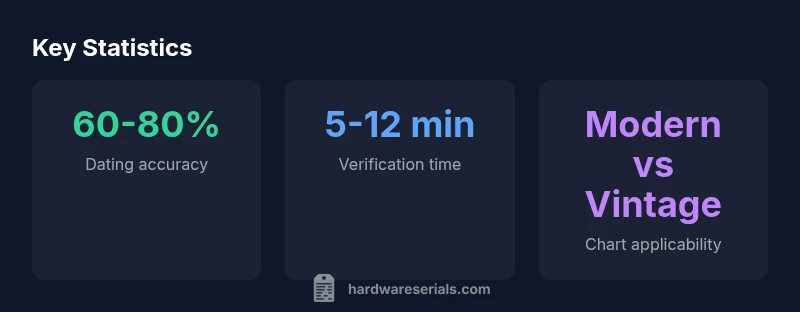
Accuracy varies by era and record availability; treat this as an estimate and corroborate with provenance signals.
It's an estimate—always cross-check with other clues.
Can I date a Martin guitar without opening the case?
Yes, serials can provide a close date range from the label; some models require internal inspection for precision.
You can date from the serial, but some models may need a quick check inside.
Where can I find authoritative Martin production records?
Official records can be scarce; consult official catalogs, trusted databases, and rosters for corroboration.
Try official catalogs and trusted databases.
What should I do if the serial number is missing?
Rely on other identifiers like model, label design, and provenance; consider a professional appraisal.
If the serial is missing, rely on other clues and perhaps an expert appraisal.
“The Martin serial number chart is a practical starting point for dating and authenticating guitars; it should be used alongside physical inspection and official records.”
Key Takeaways
- Cross-check dates with build sheets.
- Use the chart as a starting point, not a guarantee.
- Combine serial data with visual and provenance signals.
- Document sources and model information for future reference.
- When unsure, seek a professional appraisal.