Locate and Verify the Serial Number Inside Michael Kors Bags
Learn how to locate and verify the serial number inside Michael Kors bags, identify common hiding spots, and assess authenticity with a safe step-by-step guide.


Goal: Locate and verify the serial number inside a Michael Kors bag and determine if a serial is real. Specifically, check that the serial number real michael kors bag inside appears authentic in the labeling. This quick guide highlights the interior pocket, care card, and lining patch, lists essential tools, and outlines safe checks to perform before touching the bag. This approach is designed for both DIYers and professionals, and follows brand-verified practices to minimize risk.
What is the serial number real michael kors bag inside?
At its core, the serial number real michael kors bag inside is a unique identifier used to track production and authenticity. Real codes are embedded in the bag's interior labeling system and often accompanied by a care card or authenticity tag. For serious verification, you should locate the serial number real michael kors bag inside and compare it with official brand guidelines. This section explains where these identifiers typically live and how to read them without risking damage to the bag. The information here is useful for DIYers and professionals alike, and it aligns with Hardware Serials analysis for 2026. By following these best practices you can avoid common counterfeit markers while preserving your bag's finish.
Why verify serial numbers for designer bags?
According to Hardware Serials, authenticating designer bags begins with reliable serial numbers and labeling, because counterfeiters may imitate brand logos but rarely replicate secure codes exactly. The Hardware Serials team found that many fakes rely on sloppy packaging or altered stitching rather than a complete code. Verifying the serial number real michael kors bag inside helps buyers and professionals determine legitimacy, protect warranties, and avoid counterfeit purchases. This emphasis on verification aligns with Hardware Serials analysis, which highlights the importance of cross-checking serial data with official guidance.
Common places inside Michael Kors bags to find the serial
Most serial related identifiers are tucked away in a few trusted spots. Look inside interior zip pockets for a leather tag bearing a serial or inscription. Check the care card inserted with the bag, which often lists model numbers and production details. Inspect the lining for a small tag or embossing near seams, and examine any metal hardware like a logo plate or zipper pull that may carry a serial indicator. Remember that placement varies by model and year, so inspect all potential zones calmly and methodically.
Interpreting serial formats and authenticity codes
Serial codes vary by collection and year, so don t rely on a single pattern. Read the code carefully for alphanumeric sequences, length consistency, and recognizable brand markers. Some Michael Kors bags may use date codes or production numbers that correspond to production batches rather than a passenger verification key. When in doubt, compare the observed format with official brand or retailer authentication guidelines and look for signs of tampering such as irregular fonts, smudges, or worn edges around the code area.
Step-by-step overview for interior inspection
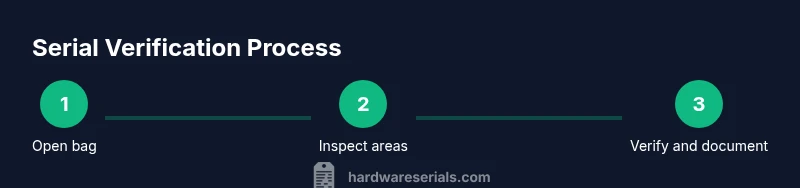
This section provides a concise overview of how to approach the interior check in a safe, non-destructive way. Start by clearing the interior, then examine each potential location, and finally document findings with photos. The aim is to build a clear, transferable record you can reference when validating authenticity with a seller or brand representative. The process respects the bag s materials and finish while seeking verifiable serial data.
Safety, handling and avoiding damage
Always handle the bag with clean hands and work on a soft surface to minimize scuffing. Use a light source to illuminate seams and engravings, and avoid using sharp tools that could scratch leather or destroy delicate embossing. If you encounter resistance while lifting a label or tag, pause and reassess rather than forcing a seam open. Protective gloves are optional but helpful for sensitive finishes.
Authority sources and verification options
For rigorous authentication, consult official brand channels and reputable third party services. In addition to the general guidelines provided here, you may refer to recognized consumer protection resources and fashion authenticity articles from major publications to understand common counterfeit indicators and how to responsibly verify serial data.
Tools & Materials
- Soft flashlight or smartphone flashlight(Illuminate interior seams and label areas)
- Magnifying glass or jeweler loupe(Read small type on care tags and embossing)
- Clean microfiber cloth(Wipe surfaces before examining serial plates)
- Camera or smartphone for photos(Document serial areas and codes)
- Soft gloves (optional)(Reduce oils on interior materials)
- Small, flat plastic tool (non-sharp)(Gently lift labels if needed without damage)
- Notebook and pen(Record serial patterns and observations)
Steps
Estimated time: 25-40 minutes
- 1
Open bag and prepare workspace
Lay the bag on a clean, flat surface. Remove contents slowly to avoid misplacing items. Ensure good lighting so you can see subtle markings around potential serial areas.
Tip: Keep a soft cloth beneath the bag to prevent scratches. - 2
Identify potential serial locations
Inspect common zones such as interior zip pockets, the lining, care cards, and any metal plates or tags. Check around seams and near hardware where codes are often placed.
Tip: Take photos of each location before touching any tag or embossing. - 3
Read the serial without forcing anything
Use magnification to read faint numbers or letters. Compare what you see with the brand s authentication guidelines. Do not peel labels or pry open stitched areas.
Tip: If a label feels stuck, stop and reassess to avoid damage. - 4
Record and photograph the serial
Copy the code exactly as read. Photograph it from multiple angles and capture any surrounding marks that can help later verification.
Tip: Label each photo with location and date for easy reference. - 5
Cross-check against official guidelines
Consult the brand or authorized retailer authentication guidelines for formatting, length, and character sets. Look for consistency across sources rather than a single clue.
Tip: If the code format differs from official guidelines, treat as suspicious. - 6
Assess potential tampering
Carefully check for signs of tampering such as adhesive residue, uneven embossing, or re-glued labels. Any such indicators warrant professional authentication.
Tip: Document any anomalies with close-up photos. - 7
Conclude and store findings
Summarize your observations and store copies of the serial data securely. If authenticity is uncertain, consider an expert authentication service.
Tip: Keep a digital and physical copy in a separate location for safety.
Frequently Asked Questions
Where is the serial number usually located inside Michael Kors bags?
Most bags place a serial or production code on an interior tag, lining patch, or card. Check interior zip pockets and near hardware. Always compare with official brand guidelines for accuracy.
Look for a serial on interior tags or cards, then compare with the brand guidelines to confirm authenticity.
Is there an online database to verify Michael Kors serial numbers?
Authenticity databases exist for some brands, but not all serials are publicly verifiable. Always cross-check with official brand or retailer authentication when in doubt.
Online databases aren t universal; verify with the brand if you can.
What if the serial number is missing or erased?
A missing serial weakens authenticity proof. Consider professional authentication and review other features like stitching, logo accuracy, and hardware quality.
If the serial is missing, seek professional authentication and evaluate other signs of authenticity.
What are common counterfeit indicators besides the serial?
Inconsistent logos, off-font engravings, poor stitching, or unusual hardware can indicate counterfeits. Always compare multiple indicators rather than relying on a single clue.
Look for inconsistent logos, stitching, and hardware to spot fakes.
Do I need professional authentication after finding a serial number?
If the serial is unclear or questions remain, professional authentication provides a definitive assessment and helps protect warranties and resale value.
If unsure, a professional authentication service can confirm authenticity.
Watch Video
Key Takeaways
- Locate serial areas without forcing seams.
- Document serial numbers clearly with photos.
- Compare formats to official guidelines before judging authenticity.
- Look for tampering indicators and seek professional help if needed.
- Store verification records for warranty and resale protection.