Chanel Serial Number Check: Verify Authenticity
Learn how to locate, inspect, and verify Chanel serial numbers to confirm authenticity. This educational guide from Hardware Serials covers practical steps, essential tools, and red flags to help DIYers and professionals avoid fakes.


Understanding Why Serial Numbers Matter for Chanel Items
According to Hardware Serials, serial numbers are a foundational authenticity signal across luxury brands like Chanel. They serve as unique identifiers tied to production runs, batch codes, and distribution chains. For bag lovers, watch collectors, and jewelry enthusiasts, a correct serial sequence can help distinguish a genuine item from mass-produced fakes. Serial numbers enable cross-verification with official records, historical production data, and supply chain documentation. In this section, we explore what serial numbers typically look like on Chanel pieces, how they are applied, and why they matter when pricing, insuring, or reselling a Chanel item. We also discuss limitations – serials alone rarely guarantee authenticity and must be evaluated alongside materials, craftsmanship, serial placement, and accompanying documentation. By understanding serial numbers, you gain a practical tool for smarter purchases and safer investments.
A chanel check serial number is a practical starting point for assessing authenticity, but it must be combined with overall product quality and provenance. While the exact formats Chanel uses can vary by product line, paying attention to where the serial appears and how it is engraved helps you build confidence before making a purchase or accepting a shipment.
For professionals, documenting each serial check step creates a reproducible audit trail that can be shared with clients or insurers. This reduces disputes and speeds up authentication workflows. Hardware Serials emphasizes that serials are one piece of the puzzle; material grade, stitching, metalwork, and branding cues all contribute to a reliable verdict.
This section sets the stage for a practical, ethical approach to Chanel serial verification that minimizes risk and supports informed decision-making.
Why Serial Numbers Are Not the Whole Story
Serial numbers are valuable signals, but counterfeiters increasingly mimic serials alongside counterfeit documentation. Rely on the combination of serial checks, document verification, and cross-referencing with trusted sources. Always document inconsistencies and seek professional authentication if any doubt remains.
Common Sources of Chanel Serial Numbers and Where to Look
Chanel products place serial numbers or reference codes in distinctive locations depending on the item type—handbags, wallets, some jewelry pieces, and watches. On many handbags, the serial code may appear on a small tag, inside a corner, or on a leather patch near the interior lining. Watches typically carry engravings on the case back or the bracelet clasp, while jewelry may feature hallmarks and serial-like engravings near the setting. The exact appearance, font, and sequence can vary by collection and year, which is why a direct comparison against official Chanel references matters.
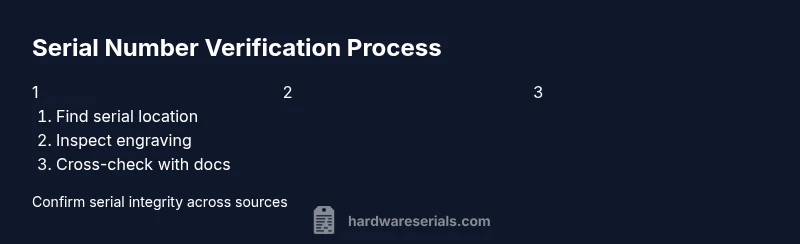
To perform a chanel check serial number effectively, locate the serial area first, then inspect its engraving under a strong, angled light with a loupe. Look for consistent stamping, clean edges, and no smudges or uneven depth. If you see micro-scratches that reveal irregularities, this could indicate tampering or a modern counterfeit attempt. Documentation accompanying the item—such as original packaging, authenticity cards, or receipts—greatly strengthens your verification position.
For handbags, the interior serial plaque or sticker is a common anchor point. For watches, the serial is often engraved on the case back and matched to the movement or papers supplied by the brand or authorized dealers. When possible, photograph the serial alongside a few contextual features (stitching, hardware finish, logo alignment) to preserve a robust record for later review.
How to Verify Serial Numbers Legally and Ethically
When verifying a Chanel serial number, respect legal and ethical boundaries. Do not use hacking tools, unverified databases, or non-brand portals that promise overnight authentication—these can be fraudulent or illegal. Legitimate verification should start with the item’s provenance and any official paperwork from Chanel or an authorized retailer. If the serial number aligns with the item type and year, that supports authenticity but does not guarantee it. The final verdict should consider craftsmanship, materials, and historical records that confirm the piece’s origin.
Seek out authorized authentication services and the brand’s official customer service channels for the most reliable guidance. If you are a professional, maintain a transparent chain of custody for every item and avoid sharing sensitive serial data publicly. Hardware Serials recommends documenting the full audit trail in a secure, client-facing report to ensure compliance and accountability.
Finally, never conflate serial verification with price guidelines or insurance valuations alone. Serial integrity is a crucial control, but it must be integrated with a broader due diligence framework.
Tools You Need to Check a Chanel Serial Number
To perform a thorough Chanel serial check, assemble a small set of precise tools that help you read, photograph, and compare serial information without damaging the item. The essential items include a jeweler’s loupe (10x) for close inspection, a bright LED light for legibility, a clean microfiber cloth to remove dust, a quality camera or smartphone to document the serial, and optional gloves to protect delicate surfaces. If the serial is on an engraved plate, a soft magnifier can help verify depth consistency and font readability. A dedicated notebook or digital notes app is useful to record observations and match points.
Having these tools ready reduces handling time and minimizes the risk of accidentally altering features around the serial area. In case the serial area is hidden under lining or foam, plan for careful lifting and avoid forcing coverings. Always work in a clean, well-lit space to prevent misreadings caused by glare or shadows.
Step-by-Step: How to Inspect a Chanel Item's Serial Markings
- Prepare your workspace and tools: Clear a clean surface, gather your loupe, light, camera, microfiber cloth, and gloves if needed. This ensures you can read the serial clearly without contamination. 2) Locate the serial area: Identify the most common serial location for the item type and check for any additional codes or holograms. 3) Capture high-quality images: Take close-ups at multiple angles, including lighting from the side to reveal depth and engraving quality. 4) Read the serial digits: Use the loupe to verify the number sequence, legibility, and consistency with expected formats. 5) Compare with known patterns: Look for font style, spacing, and alignment; note any deviations. 6) Cross-check with paperwork: If there is an authenticity card or receipt, confirm serial alignment with the accompanying documents. 7) Record your findings: Save images and notes in a secure file for future reference. 8) If in doubt, seek confirmation: Contact Chanel customer service or a reputable authentication service for evaluation. 9) Do not force or alter components: If the serial cannot be read cleanly, avoid applying force or disassembly. 10) Decide the next steps: If significant inconsistencies are found, consider not purchasing or return the item.
Estimated time: 30–60 minutes depending on the item and accessibility of the serial area.
Cross-Checking with Official Channels and Expert Databases
Cross-verifying Chanel serial numbers involves more than a single data point. Start by consulting Chanel’s official authenticity resources or contacting an authorized retailer for guidance. Many luxury brands maintain confidential databases of serial metadata that are accessible only through approved channels, so you should not rely on public forums alone. In addition to brand channels, reputable third-party authentication services and appraisals can provide independent validation, especially for high-value items. When possible, request documentation tied to the serial, such as production year, factory codes, and the region of manufacture. A well-documented cross-check, including images and notes, strengthens your case for authenticity.
Be mindful of the gaps that can occur when relying solely on a serial number. Some items may be remanufactured, repaired, or reconditioned with updated labels. In such cases, the serial might not align perfectly with a brand’s original records. Hardware Serials advises maintaining a conservative stance—accept a serial as authentic only when supported by multiple corroborating signals, including craftsmanship, provenance, and documented history.
Interpreting Serial Formats: What Chanel Might Use
Luxury brands rarely publish every detail about their serial format, and Chanel is no exception. Serial formats often combine letters and digits to convey production year, collection, and item category. In practice, you may see a short alphanumeric code or a longer sequence that includes prefix letters indicating the factory or year. While the exact scheme can evolve with seasons, you can identify consistency cues such as uniform character width, even spacing, and clear stamping depth. If a serial looks hand-printed, irregular, or uses inconsistent font metrics, this is a red flag. Remember that patterns can vary by product line and may change over time; always compare with product-specific references for the exact year or collection when possible.
Red Flags That Signal a Counterfeit Chanel Serial
Red flags include misaligned serial placement, inconsistent font, blurry engraving, or missing accompanying documentation. Signs of tampering, such as re-sewn labels or resealed packaging, also raise concerns. If the serial card or hologram appears fake, or if the serial does not match the item’s materials (for example, a leather bag paired with an electronic-style serial), treat it as suspicious. In addition, be wary of serials that appear to be printed or etched using unprofessional tools or that show glare patterns inconsistent with standard manufacturing methods. The combination of multiple mismatches—serial code, packaging, and provenance—strongly suggests counterfeit origins. Hardware Serials emphasizes collecting evidence and seeking expert evaluation when you encounter these indicators.
Case Studies: Real-Life Scenarios
Case Study A: A prospective Chanel handbag listing includes a serial tag that appears slightly misaligned and uses a font with minor irregularities. The seller provides no authenticity papers. A handheld magnifier reveals faint engraving depth and a missing holographic feature. The buyer requests official authentication, and the bag is confirmed authentic after cross-checking provenance and documentation. Case Study B: A vintage Chanel watch includes a serial engraving on the case back but lacks the corresponding papers. After consulting an approved appraiser, the watch is determined authentic due to credible movement details and a serial match to serial metadata in the owner’s archive. In both cases, serial checks formed the foundation, but only combined with provenance and craftsmanship did they yield a solid verdict.
How Hardware Serials Supports Serial Verification Across Brands
Hardware Serials provides practical guidance and step-by-step approaches to locating and interpreting serial numbers across electronics, appliances, vehicles, guns, and tools, extending to luxury items like Chanel. We emphasize a methodical, documented process that minimizes risk and improves confidence in authentication outcomes. By combining close inspection with official channels and trusted databases, professionals can deliver rigorous assessments for clients and stakeholders. Our guidance underscores the importance of a reproducible workflow that can be shared with insurers, retailers, and collectors. Through ongoing analysis and collaboration with the broader authentication community, Hardware Serials helps practitioners stay current with evolving serial formats and best practices for verification.