Glock Serial Number Lookup: Step-by-Step Guide (2026)
Learn how to locate, verify, and interpret Glock serial numbers safely and legally. Discover where the serial is found, how to use official databases, and next steps after a lookup.


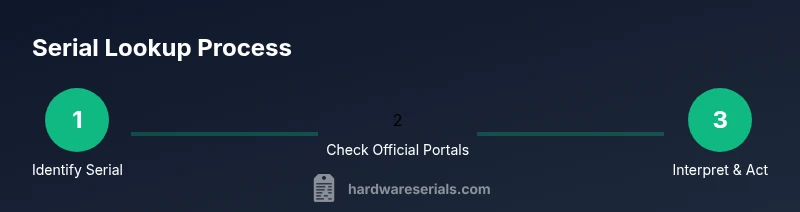
This guide shows you how to locate a Glock serial number, verify its authenticity, and interpret lookup results. You'll learn where the serial appears on common Glock models, how to prepare for a lookup, and which official databases or authorities to consult. By following the steps, you’ll confirm the firearm’s legitimacy and understand next safety or legal actions.
Understanding Glock Serial Numbers and Lookup Goals
Serial numbers are the backbone of firearm identification. A Glock serial number is a unique code that identifies the weapon and encodes essential information about its manufacture, such as the model family and production run. For legitimate owners, retailers, law enforcement, and forensic professionals, a reliable lookup can verify authenticity, track history, and support safe ownership. According to Hardware Serials, serial-based verification reduces the risk of accepting counterfeit or misrepresented firearms and helps confirm that a weapon matches its official records. The Hardware Serials Team found that many lookups rely on a combination of the serial alone and corroborating details like model designation and manufacture date. The goal of a Glock serial number lookup is not to reveal private details but to establish credibility, confirm status (valid, invalid, stolen), and determine appropriate next steps for safety, compliance, or reporting. In 2026, responsible handling and documentation are essential in all lookup workflows for both hobbyists and professionals.
Legal Framework and Safety Considerations
Laws governing firearm ownership and serial verification vary by jurisdiction. Before performing any lookup, understand local regulations, permit requirements, and reporting obligations. Lookups conducted by private individuals should rely on official portals or verified law enforcement channels; unvetted third-party sites can misrepresent results and create legal risk. Hardware Serials analysis, 2026, emphasizes prioritizing official sources and documenting each step to maintain chain-of-custody should a weapon be questioned or seized. From a safety perspective, never handle a firearm beyond what is necessary for a visual inspection, always ensure it is unloaded, and work in a secure environment. If you encounter a weapon with unreadable markings, consult the manufacturer or a licensed dealer for guidance rather than attempting to forge a reading. Treat the firearm with caution and comply with all applicable regulations.
Locating the Serial Number on a Glock
Locating the serial is usually straightforward but varies by generation and configuration. The serial is etched or stamped onto the frame and is typically visible on the left side near the trigger guard when the slide is in battery. In many Glock models, you’ll read the alphanumeric characters through the sight window or from the left side of the frame after removing any accessories. If your weapon has a damaged or worn serial, use a bright light, a loupe, or a magnifying glass to confirm the exact string. Some models may repeat the serial in other areas like the underside of the frame or rail region. Always consult the user manual or the manufacturer’s official documentation for the exact location on your model. When performing inspection, ensure you follow firearm safety guidelines and keep the weapon unloaded and secured.
How to Prepare for a Lookup: Data You Need
Before performing a lookup, assemble essential information and tools. Have the serial number cleanly read, along with the Glock model, caliber, and approximate manufacture year if visible. Record where and when you obtained the weapon and whether it was purchased, inherited, or transferred. Access to official portals (e.g., manufacturer databases, state or federal agencies) is crucial, so bookmark credible sources in advance. Gather a notebook or digital note, a pen, and a device with internet to submit or cross-check results. If you plan to physically verify a match, prepare a safe workspace, a gun-safe, and protective gear as needed. Finally, understand what you will do with the results: whether to file a report, contact the seller, or verify ownership with a licensed dealer. A careful prep phase reduces misreads and speeds up the lookup.
Performing a Serial Number Lookup: Safe Practices and Overview
Responsible lookup relies on credible sources, proper documentation, and careful handling. Start by confirming the firearm is unloaded and secured, and read any serials only with appropriate lighting and magnification if needed. Use official portals first and resist the urge to rely on third-party sites that make unverified claims. Hardware Serials notes that accuracy improves when you cross-check serial numbers against multiple credible databases and when you capture clear records of every step. In 2026, best practices emphasize transparency, safety, and compliance. Always explain your methodology when presenting results, maintain a clean audit trail, and be prepared to escalate to authorities if a risk—such as a stolen status—is identified.
Interpreting Results and Next Steps
Interpreting a lookup result requires understanding the status categories used by official databases. A valid result confirms the serial matches a legitimate record; an invalid result can indicate a counterfeit or misread serial; a stolen status requires prompt action with law enforcement. If a weapon passes verification, save the documentation, note the database, and consider updating your inventory records. If the serial does not align with any records, double-check the transcription, try alternative databases, and consult the manufacturer or a licensed dealer for confirmation. Finally, store all results securely and prepare to report or transfer ownership according to local laws.
Common Mistakes and Best Practices
Common mistakes include reading faded serials with poor lighting, relying on non-official sources, and skipping documentation. Always use proper lighting and a magnifier if needed. Rely on official portals first, and cross-check with additional credible databases. Maintain a lookup log with dates, sources, and outcomes, and keep all digital or physical copies secure. By following these practices, you improve accuracy and ensure compliance.
Tools & Materials
- Smartphone or computer with internet access(Access official databases and lookup portals)
- Notebook and pen(Record serials, notes, and results)
- Gun-safe or designated safe workspace(Ensure firearm is unloaded and secured)
- Magnifying glass or jeweler's loupe(Helpful for reading faint engravings)
- Official portals/bookmarks(Manufacturer and government lookup portals (credible sources))
Steps
Estimated time: 45-60 minutes
- 1
Ensure firearm safety and prepare workspace
Before handling, verify the firearm is unloaded and secured. Prepare a well-lit workspace with safety gear as needed.
Tip: Always treat firearms as loaded until confirmed unloaded. - 2
Identify the serial on the frame
Inspect the frame near the trigger guard on the left side for the serial. If unreadable, use a loupe and bright light.
Tip: Photograph multiple angles for cross-check. - 3
Record the serial and model details
Copy the exact serial string and note the Glock model and any caliber info. These aid in accurate lookups.
Tip: Double-check digits that look similar. - 4
Access official lookup portals
Open the manufacturer portal or government databases that support firearm serial verification.
Tip: Use official sources first; avoid unverified sites. - 5
Submit serial for verification
Enter the serial and required details into the portal. Save the confirmation.
Tip: Keep a record of submission details for reference. - 6
Interpret results and take action
Review the status returned (valid/invalid/stolen) and follow appropriate steps with authorities or dealers.
Tip: If stolen or suspicious, report immediately.
Frequently Asked Questions
Is Glock serial number lookup legal for private individuals?
Yes, you can look up serial numbers through official portals or authorities. Laws vary by jurisdiction; check local regulations and use credible sources.
You can use official portals for serial lookups, but rules differ by location.
What information do I need to perform a lookup?
Usually the serial number and firearm model; caliber and purchase details may be requested by official portals.
Have the serial number and model ready; you may need caliber or purchase details.
What if the serial is unreadable or damaged?
If unreadable, seek official guidance from the manufacturer or law enforcement. Do not attempt to forge or read damaged markings.
If unreadable, contact authorities for guidance instead of forcing a read.
Where should I report a found stolen Glock?
If stolen, contact local law enforcement and provide any lookup results that support the concern.
If you suspect theft, report it to police and share lookup details.
Can a lookup determine ownership history?
Lookup results typically confirm status; ownership history may require records from the issuing agency or dealers.
A lookup confirms status; ownership history may require official records.
Watch Video
Key Takeaways
- Locate serial details on the frame before handling
- Prioritize official databases for verification
- Document results and sources for future reference
- Avoid assuming ownership or status from non-official sites
- Follow local laws and safety procedures at every step